
Safe Spaces in the Stands: Why Female Fans Deserve Better
Football should be a place where everyone feels they belong. For many female fans that is already true, but for others the matchday experience can still be shaped by uncertainty, poor reporting clarity, and abuse that follows them beyond the stadium.
The Rise of the Female Football Fan
There’s something electric about stepping into a football stadium — the roar of the crowd, the shared anticipation, the sense of belonging. This is definitely felt by female fans, and all fans, at Nottingham Forest and the world-famous City Ground. But for some women, that experience is still complicated.
Football is no longer seen as a male-dominated space. Across all leagues and global competitions, female fans are showing up in growing numbers. They are season ticket holders, travelling supporters, analysts, creators, and community leaders. Yet despite this progress, the matchday experience does not always reflect that inclusivity.
Different Experiences: Home, Away, and European Nights
Home Games: Familiar, But Not Always Comfortable
At a recent discussion with NFST female members, home fixtures were, in the main, described as the safest environment. There is familiarity — known routes, regular faces, and a sense of community. Many women feel more confident attending alone at home games.
However, comfort does not always equal safety. Incidents do still occur, and the assumption that home is safe can sometimes lead to issues being overlooked or underreported.
Away Games: Loyalty Meets Uncertainty
Away days are often seen as the heart of football culture — passionate, loud, and fiercely loyal. But for some NFST female members, this can bring added anxiety. Travelling to unfamiliar cities, navigating new stadiums, and being surrounded by opposing fans can heighten vulnerability and lead to being more alert and cautious.
European Matches: Excitement with Added Complexity
European away games introduce another layer entirely. Different languages, cultural norms, stadium layouts, and local policing styles can all affect the experience.
While many NFST female fans describe these trips as unforgettable, they can also present challenges.
- Limited knowledge of local safety systems.
- Difficulty reporting issues abroad.
- Greater reliance on fellow supporters for reassurance.
The Role of Online Abuse: Beyond the Stadium
Safety does not stop at the turnstiles. For many female fans, the matchday experience continues online — before, during, and after the game — and this is where another form of harm can occur. Unfortunately, this is where NFST female members report feeling unsafe the most.
Social media platforms such as X, Instagram, Facebook, and TikTok have become key spaces for football discussion. But they can also expose women to:
- Sexist or dismissive comments that question their knowledge.
- Harassment for sharing opinions about matches or players.
- Targeted abuse after posting content from games.
- Unwanted messages and trolling.
This kind of abuse often mirrors, or even escalates, the behaviour seen in stadiums. The difference is that it follows fans home, making it harder to switch off from the negativity.
Reporting Abuse: Who, When, and Where?
Tackling abuse, whether in stadiums or online, relies on people feeling confident enough to report it. But knowing how to report, and who to report to, is not always clear.
Who should you report to?
- Stewards and stadium staff during matches.
- Club safeguarding or fan liaison teams after incidents.
- Police if behaviour crosses into criminal territory.
- Platform moderators when abuse occurs online.
When should you report?
- Immediately, if you feel unsafe or threatened.
- During the match, via text lines or apps where available.
- After the game, if you need time to process or gather details.
- Anytime online, especially when abusive content is visible or ongoing.
NFFC, and many other clubs, now have dedicated reporting channels, and organisations like Kick It Out provide additional support and guidance.
A Positive Example: Nottingham Forest
While challenges remain across the game, there are also encouraging examples. At Nottingham Forest, many female fans report feeling largely safe when attending matches.
This sense of safety is often linked to:
- A strong community atmosphere at the City Ground.
- Steward presence and approachability.
- Reporting processes and fan engagement.
- A culture where respect is increasingly expected.
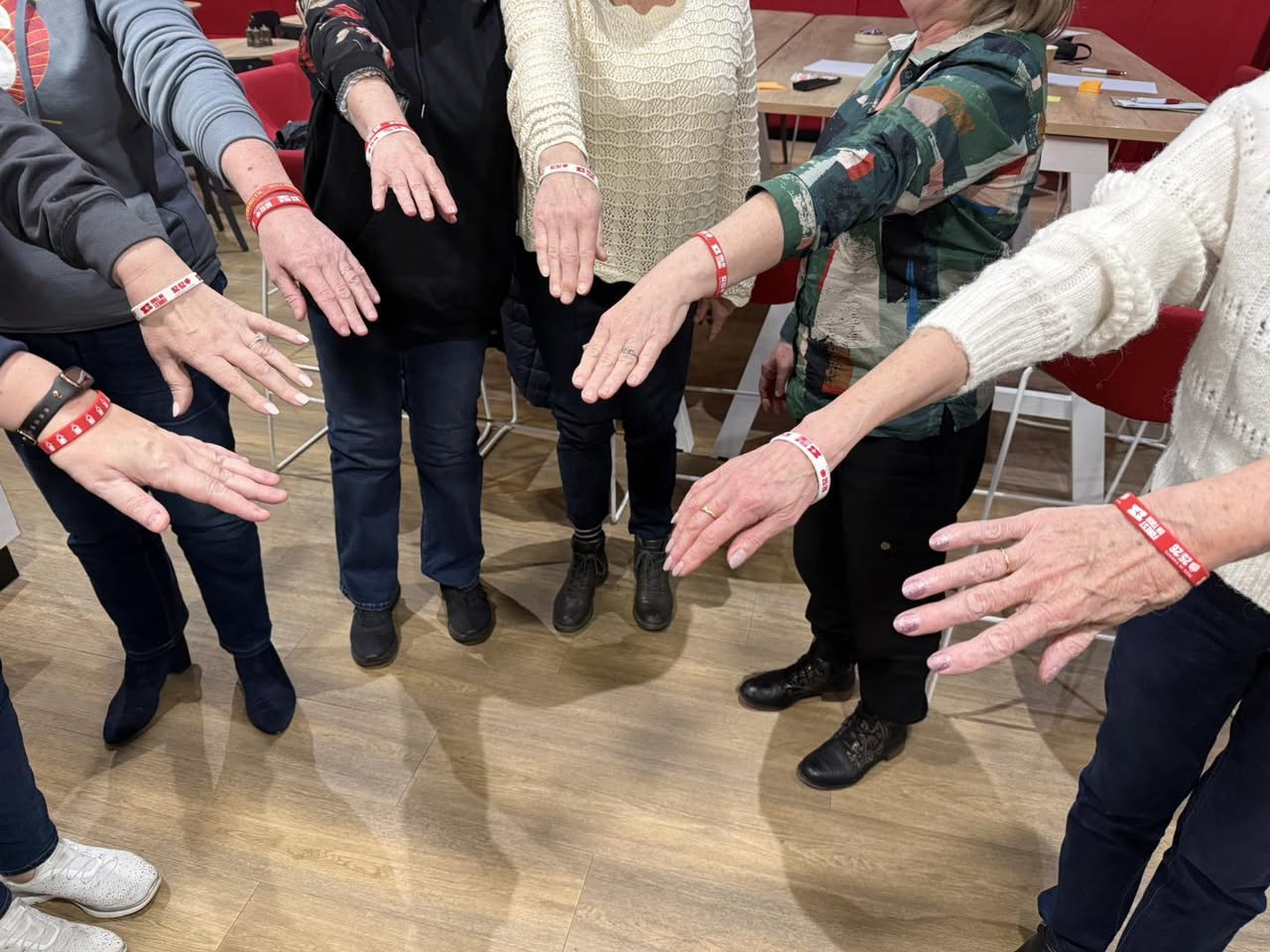
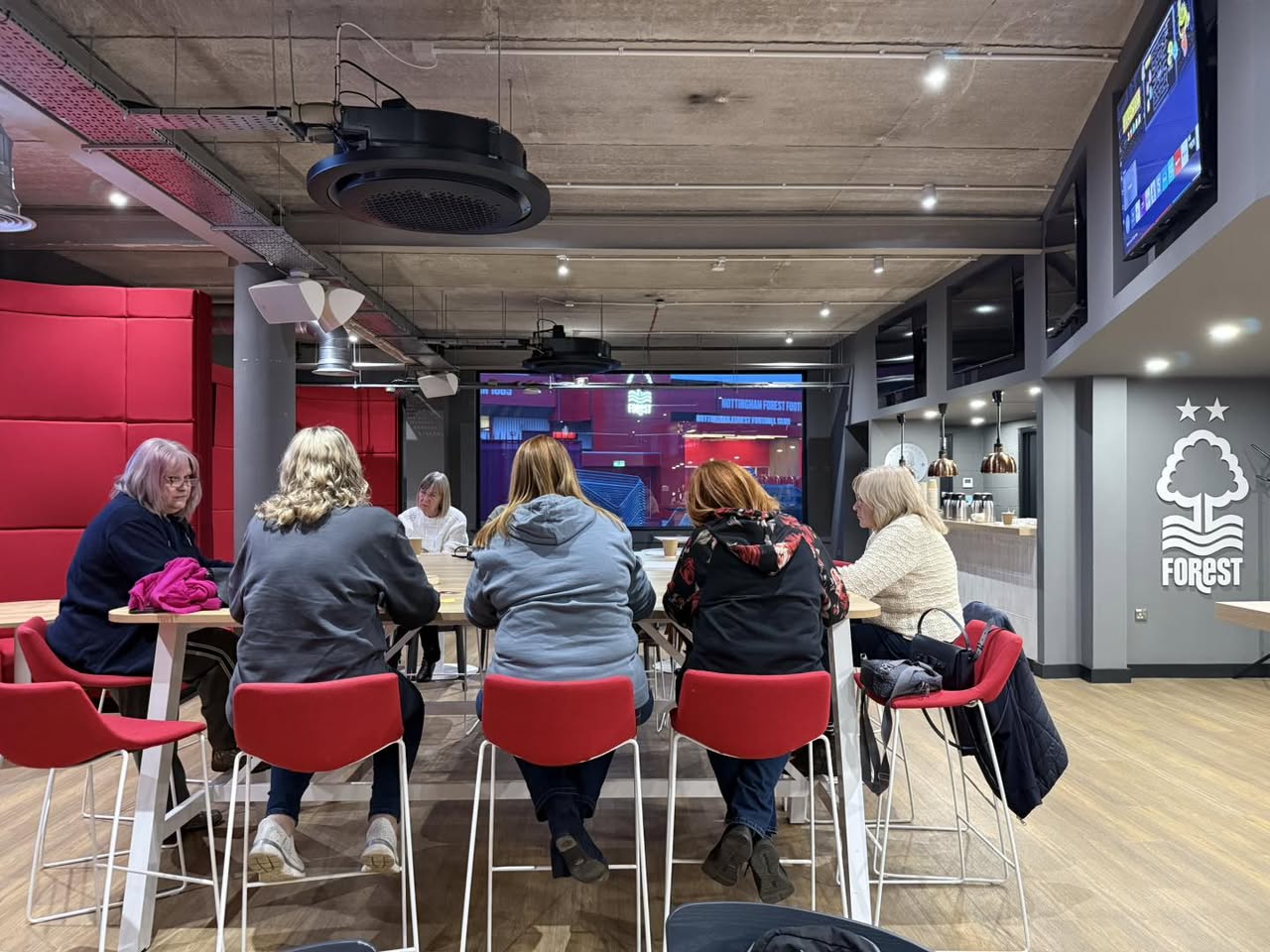
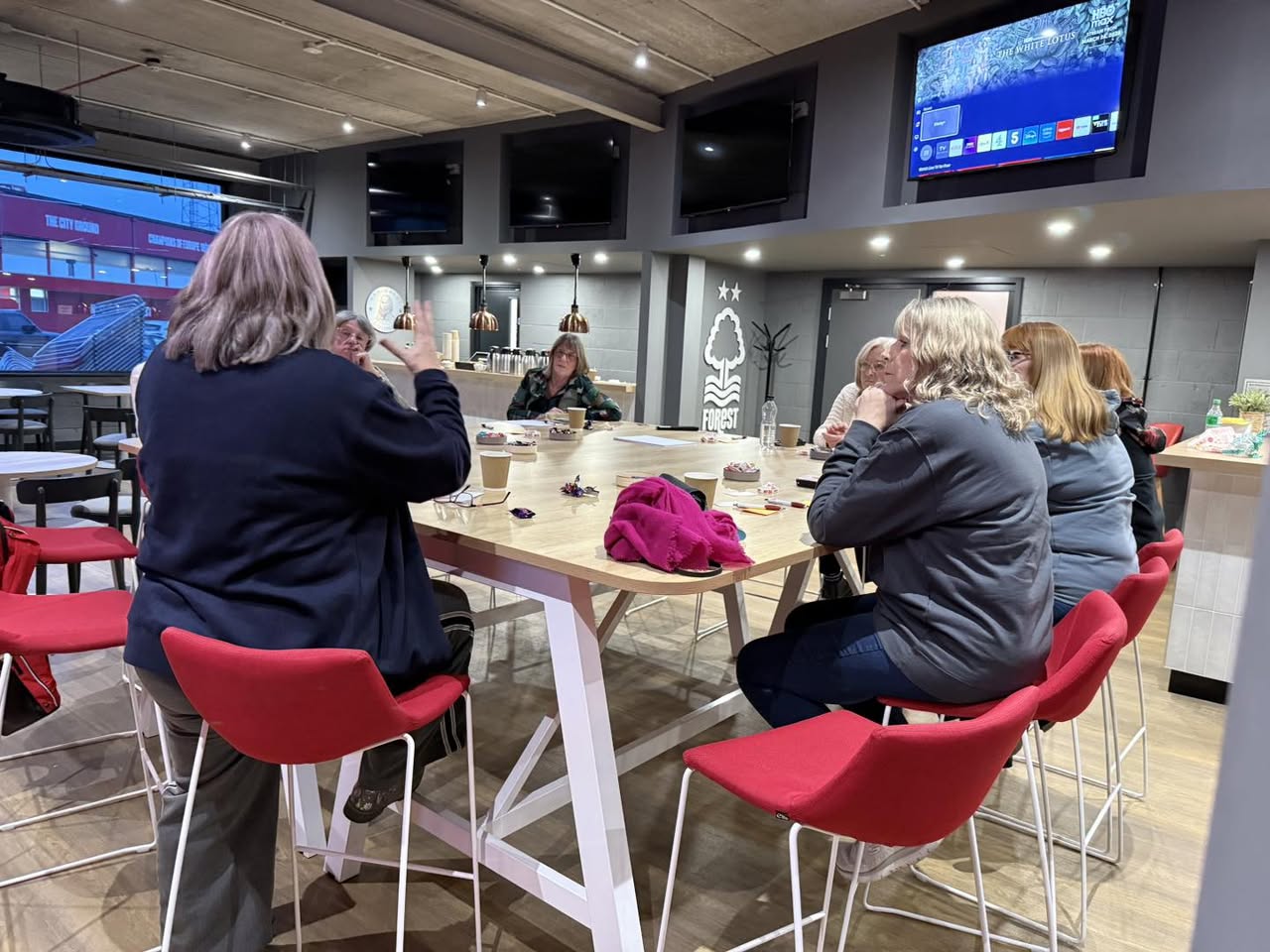
However, a recent survey and event for NFST female fans showed that abuse, or feeling unsafe, is not always reported. This was due in part to NFST female members saying that reporting processes were not always visible or clear, that it was not always obvious what was reportable, and that there was limited feedback on what happens when reports are made.
Why Feeling Safe Matters
Safety is not just about preventing serious incidents. It is about creating an environment where everyone can relax and enjoy the game fully. When female fans feel unsafe:
- They may attend fewer matches.
- They might avoid away games entirely.
- They can feel excluded from the culture of the sport.
- They may disengage from online communities as well as in-person events.
What NFST, Clubs, Platforms, and Organisations Are Doing
Experiences will always vary, and although there has been progress, clubs, governing bodies, and tech platforms are taking steps to improve the experience.
- Zero-tolerance enforcement both in stadiums and online.
- Steward training with better awareness of harassment and how to respond.
- Campaigns promoting respect both in stadiums and online.
- Stronger moderation and faster, more visible action on abusive accounts.
- Better visibility of support, so fans can see that help is available.
- A cultural shift that challenges sexism as part of football culture.
- Greater fan accountability, with supporters calling out unacceptable behaviour.
The Role of the Crowd
Creating safe spaces is not just the responsibility of clubs or tech companies. It belongs to fans too. A culture of respect starts in the stands and continues online. It is built through everyday actions such as:
- Checking in if someone looks uncomfortable.
- Calling out inappropriate behaviour.
- Supporting and amplifying female voices in football spaces.
- Refusing to engage with or tolerate online abuse.
A Future Where Everyone Belongs
The goal is simple: a matchday, and a matchday conversation, where female fans do not have to think twice about their safety, whether they are in the stands or online.
Female fans are not asking for special treatment. They are asking for the same thing every supporter deserves: the freedom to enjoy the game without fear.
And when that happens — at home, away, on European nights, and across digital spaces — football becomes what it has always meant to be: a place where everyone belongs.